

As the corporate sector in Malaysia continues to evolve, Smart Glass technology emerges as a transformative trend.
This article delves into its increasing adoption, examining the benefits offered in office environments, supported by real-world case studies.
We also explore future prospects and potential challenges LED video wall, providing a comprehensive analysis for professionals in the industry seeking innovative solutions to enhance workspace freedom and productivity.
Stay ahead of the curve with this in-depth look at Smart Glass trends in Malaysia’s corporate sector.
Understanding Smart Glass Technology
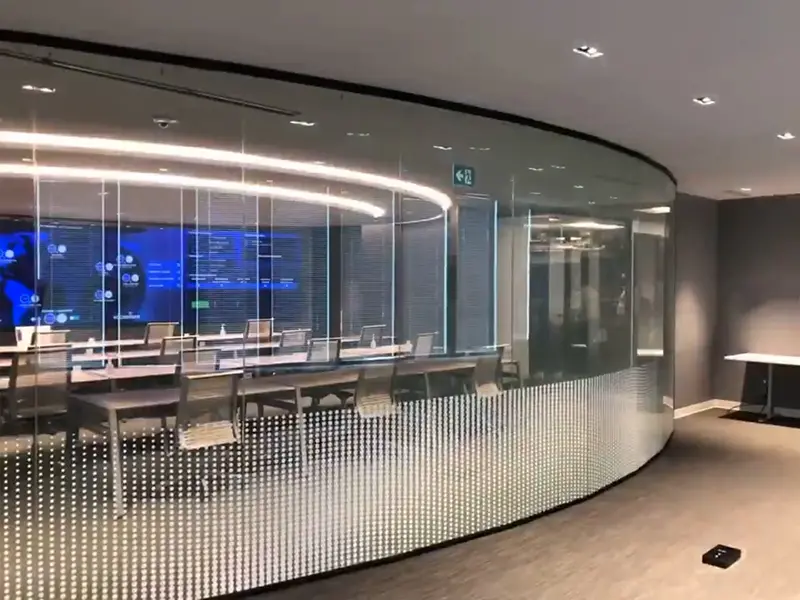
How does smart glass technology function and what are its implications in a corporate setting? Smart glass, also known as switchable glass, operates on the principle of electrochromism. It allows the user to control the amount of light and heat passing through the glass at the flick of a switch, providing an unparalleled level of comfort and freedom.
In a corporate setting, smart glass facilitates a seamless transition between openness and privacy, thereby fostering an atmosphere of transparency and collaboration, while still respecting the need for individual workspace. It eliminates the requirement for blinds or curtains, thereby providing an unobstructed view, enhancing aesthetic appeal and reducing maintenance costs.
Moreover, smart glass is energy-efficient, blocking up to 99% of harmful UV rays and reducing heat transfer. This results in significant energy savings LED advertising board, contributing to the organization’s green initiatives and reducing its carbon footprint.
Therefore, the incorporation of smart glass technology not only enhances the physical work environment but also aligns with the global trend towards environmental sustainability. It is a prime example of how technology can be harnessed to create a workspace that offers freedom, flexibility and is future-oriented.
Adoption Rate in Malaysia’s Corporate Sector
Although smart glass technology offers numerous benefits, the adoption rate in Malaysia’s corporate sector is only just beginning to rise. The uptake of this innovative technology remains relatively low due to a variety of factors, the most significant being its cost, absence of regulatory incentives, and a general lack of awareness about its potential advantages.
In terms of cost, while the initial investment in smart glass can be substantial, the long-term energy savings and improved productivity often offset the upfront expense. However, many firms remain reluctant to invest due to short-term budget constraints and the uncertainty of return on investment.
With regards to regulatory incentives, the Malaysian government has yet to establish frameworks that encourage the use of energy-efficient technologies such as smart glass. This lack of support has deterred many companies from adopting this technology.
Benefits of Smart Glass in Office Spaces
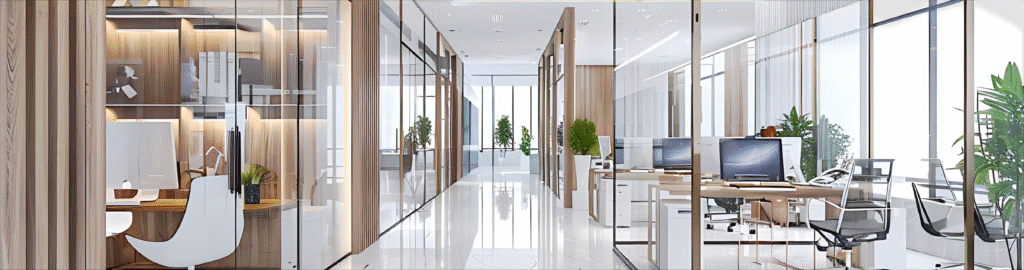
In corporate office spaces, three distinctive benefits of smart glass technology include energy efficiency, improved productivity, and enhanced privacy. Smart glass, with its dynamic light adjustment capabilities, regulates the amount of heat and sunlight entering the workspace, reducing reliance on artificial lighting and air conditioning. This leads to substantial energy savings, aligning with Malaysia’s commitment to sustainable practices.
Moreover, studies show that proper lighting can significantly impact employee productivity. Smart glass technology adapts to varying light conditions, preventing glare on screens and providing optimal light for reading, thus reducing eye strain and boosting worker efficiency.
Lastly, smart glasses address the perennial challenge of maintaining privacy without restricting visibility. With the flick of a switch, these glasses can turn from transparent to opaque, providing instant privacy for meetings or focused work.
Case Studies of Smart Glass Implementation
Exploring numerous instances of smart glass implementation, we can gain insights into the practical advantages and transformative impact this technology has had on Malaysia’s corporate sector. The adoption of smart glass in high-rise buildings such as the Petronas Twin Towers has significantly reduced energy consumption by dynamically adjusting light transmission. The glass’s adaptability to varying climatic conditions reduces the reliance on air conditioning, hence promoting energy efficiency.
In the retail sector, Starhill Gallery, a luxury retail mall in Kuala Lumpur, leverages smart glass to enhance customer experience. The use of smart glass in its storefront provides a unique aesthetic appeal, offering an interactive display that entices customers.
Similarly, smart glass adoption in office spaces has seen an upswing. For instance, the use of smart glass in meeting rooms of the multinational company, Shell Business Service Centre, has improved privacy and productivity. The switchable glass technology allows for instant opacity changes, providing privacy during confidential meetings while maintaining an open, light-filled space when desired.
These case studies exemplify the transformative potential of smart glass technology, highlighting its ability to infuse sustainability, enhance customer experience, and bolster productivity in Malaysia’s corporate sector.
Future Prospects and Challenges
Despite the notable benefits, one must also consider the potential challenges and future prospects of smart glass technology in Malaysia’s corporate sector.
The adoption of smart glass technology is inevitably accompanied by significant capital investment. Companies must weigh the initial cost against potential long-term energy savings and increased productivity. For smaller firms, this upfront cost could be a daunting barrier. Furthermore, the technology’s reliance on electricity for operation raises concerns of system failures and maintenance costs.
However, the future prospects of smart glass technology cannot be understated. The rising trend of green buildings and sustainability in Malaysia’s corporate sector bodes well for its adoption. Moreover, government initiatives such as the Green Technology Financing Scheme (GTFS) provide incentives for companies to incorporate green technology.
Additionally, advancements in smart glass technology, such as the development of photovoltaic smart glass that generates electricity, promise to further enhance its appeal.
Conclusion
In conclusion, the adoption of smart glass technology in Malaysia’s corporate sector reveals significant potential for improved productivity, energy efficiency, and employee wellbeing.
Whilst challenges remain, primarily concerning cost and integration, continued advancements are expected to bolster its adoption.
Therefore, it is imperative for businesses to stay informed about this technology, as smart glass could play a pivotal role in shaping the future of Malaysia’s corporate landscape.
